

Grow It, Move It, Sell It, Serve It: Why Every Link in the Food Chain Needs Recall Coverage
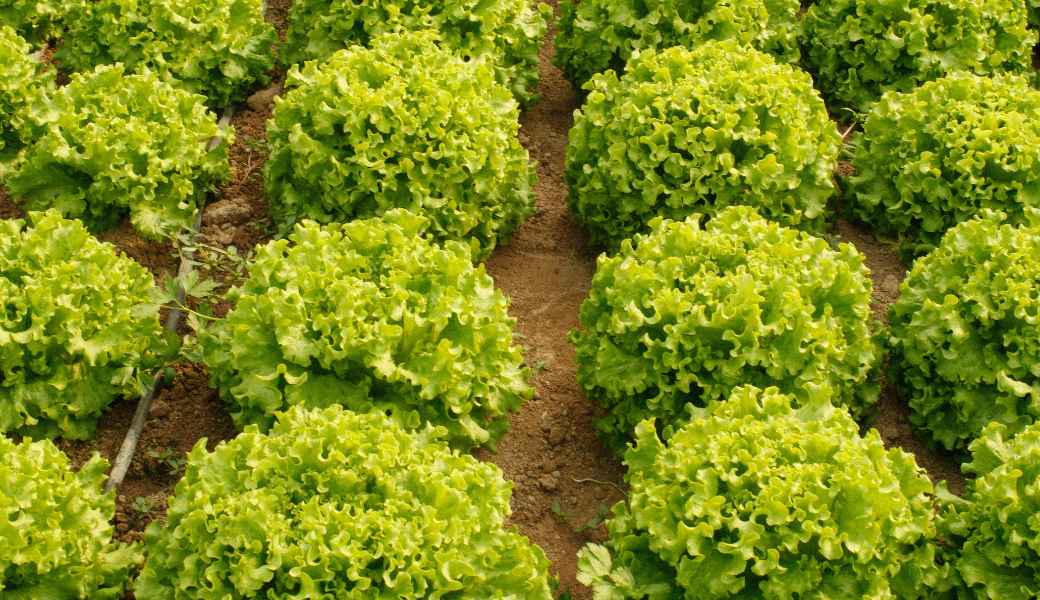
The recent multistate cyclosporiasis outbreak has once again highlighted how quickly a food safety issue can ripple through the entire supply chain. While investigators work to identify contaminated products and trace their origins, growers, distributors, retailers, and restaurants are all left to manage operational disruption, financial exposure, and reputational risk.
Foodborne illness outbreaks don't just impact the company where contamination originated. Modern supply chains are highly interconnected, meaning a single recall can affect dozens of businesses that had no role in causing the problem. That's why Product Contamination and Recall insurance has become an increasingly important risk management tool for companies across the food industry.
Traditional Insurance Isn't Enough
Many food businesses assume their general liability policy will respond to a recall event. In reality, those policies are typically designed to address claims like bodily injury and property damage, not the extensive costs associated with managing a product recall.
From production to the plate, several people, equipment, and businesses are responsible for consumer safety, and the financial and public health consequences could easily send a company into the red if they aren't properly covered with a contamination and recall plan in place.
For Producers and Growers
The source of a contamination event often begins long before consumers ever see a product. By the time investigators identify the affected lot, products may already be distributed across multiple states, and onto consumers' plates.
"A single contaminated lot can trigger a recall that reaches dozens of states before your team even confirms the source. Product Contamination and Recall coverage is designed to help offset the costs of recall management, product replacement, and the reputational fallout, costs that general liability policies typically weren't built to cover," according to Baron Cass, Commercial Risk Advisor and Shareholder.
For agricultural producers and food manufacturers, having dedicated recall coverage can help reduce the financial burden while allowing leadership to focus on responding quickly and effectively.
For Distributors
Distributors occupy one of the most challenging positions during a recall. Even when contamination has occurred upstream, they're often the first point of contact for retailers, restaurants, and customers looking for answers.
"Distributors sit in the middle of the supply chain, which means they're often the first ones fielding calls when a recall hits. Even when the contamination happens in production, contamination coverage can help fund the logistics of a recall: notification, product retrieval, and disposal, before those expenses erode your bottom line," Cass advises.
The operational costs of coordinating a recall can become significant in a matter of hours, making specialized coverage an important consideration to protect revenue, workforce, and reputation as a reliable distributor.
For Retailers
When a recalled product reaches store shelves, retailers must act immediately to remove inventory and communicate with customers.
Cass says, "When a recalled product is already on your shelves, the clock starts immediately. Recall insurance isn't just about the product itself; it's about covering the cost of pulling inventory, communicating with customers, and protecting the brand you've spent years building."
Consumers often remember where they purchased a recalled product just as much as the manufacturer that produced it, making reputation management an important part of the response.
For Restaurants
Restaurants face unique challenges during foodborne illness events. Even establishments that never received contaminated ingredients can experience declines in customer confidence if they're associated with the affected food category.
Concerning today's Cyclosporiasis outbreak, Cass warns, "An outbreak linked to a single ingredient can affect restaurant locations that never touched the contaminated batch, simply through association and headline exposure. Contamination coverage can help with crisis management costs, business interruption, and even third-party liability claims that follow a foodborne illness event."
In today's environment of rapid news cycles and social media, protecting both operations and reputation is critical.
A Timely Reminder for the Food Industry
The recent cyclosporiasis outbreak serves as another reminder that contamination risk extends well beyond the company where an issue begins. Every participant in the food supply chain has potential exposure when recalls occur. As businesses evaluate their risk management strategies, Product Recall and Contamination insurance deserves careful consideration alongside traditional liability coverage.
"This year's cyclosporiasis outbreak is a reminder that contamination risk doesn't stay contained to one link in the supply chain. Whether you grow it, move it, sell it, or serve it, a Product Recall and Contamination policy is one of the more overlooked coverages worth revisiting this season, and this is a great reminder," Cass says.
While no company expects to experience a recall, the financial and reputational consequences of an outbreak can be substantial. Reviewing existing insurance coverage before the next event—not after—can help ensure businesses are better prepared when the unexpected happens.
Our team is here to advise you every step of the way, whether you’re a farmer, distributor, or consumer. Adequate policies and a strong recall or contamination plan are essential for ensuring limited interruption in revenue and production, and for maintaining a reputation among fellow food handlers and the public as a safe, reliable source.