

Winter Storm & Property Loss Prevention Guide
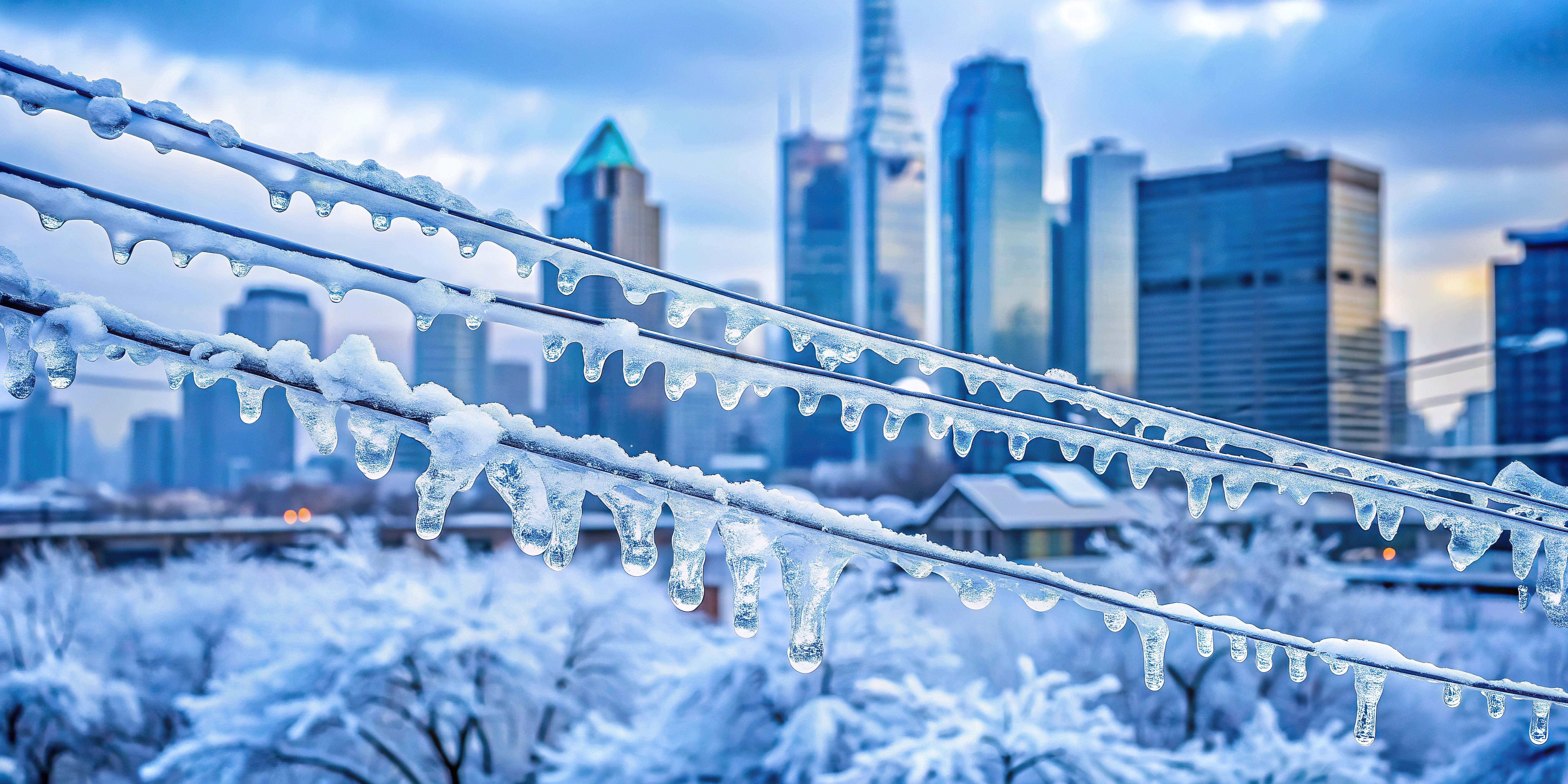
Winter storms bring more than snow and cold temperatures. High winds, saturating rains, freezing conditions, and power outages can create serious risks for homeowners, often resulting in costly damage and unexpected insurance claims.
Two of the most common and expensive winter-related losses are:
- Water damage from frozen or leaking pipes.
- Property damage and liability from fallen trees and limbs.
This article provides practical, easy-to-follow guidance to help you protect your home, understand your insurance coverage, and respond effectively if damage occurs.
1. Understanding Winter Storm Risks
Water Damage
Water damage is the leading cause of homeowner insurance claims, surpassing fire, storms, and theft. Frozen pipes, leaking appliances, and aging plumbing systems are the most common culprits.
Trees, Wind & Landscaping
Saturating rains, windstorms, freezing temperatures, and disease can weaken trees and landscaping. Damaged or stressed trees may fall, split, or drop limbs—potentially damaging homes, vehicles, or neighboring property and causing injury.
If a tree rooted on your property causes damage or injury, you may also face liability exposure.
Power Outages
Fallen trees frequently damage power lines, leading to outages that can last days—or even weeks. Loss of power can cause:
- Food spoilage
- Frozen pipes
- Temporary displacement from your home
2. Preparing Your Home Before Winter
Create an Emergency Contact List
Keep a printed and digital list that includes:
- Emergency plumbing services
- Water mitigation/restoration companies
- Utility providers (water, gas, electricity)
- City emergency services
- Neighbor contact information.
- Nearby hotels for temporary housing
- Pet boarding facilities
3. Winterizing Your Home
Protect Pipes & Plumbing
- Insulate exposed pipes in basements, crawl spaces, garages, attics, and exterior walls.
- Seal air leaks around pipes using insulation or caulk.
- Consider a professional thermal inspection to identify hidden cold spots.
- Locate and clearly label your main water shut-off valve.
- If traveling during winter, ask your insurance agent whether shutting off your water is appropriate.
Install Protective Systems
- Install an automatic water shut-off system to stop leaks before major damage occurs.
- Add water-leak sensors near appliances and plumbing.
- Install low-temperature sensors to alert you to freezing conditions.
- Consider a backup generator to maintain heat during power outages.
4. Smart Habits During Freezing Weather
- Keep indoor temperatures at 60°F or higher, even when away.
- Let faucets drip slightly during extreme cold.
- Open cabinet doors under sinks to allow warm air to circulate.
- Shut off and drain exterior water sources such as hoses and irrigation systems.
5. Tree & Landscaping Safety
Preventive Steps
- Have trees inspected regularly by a qualified arborist.
- Remove dead, diseased, or leaning trees before storms occur.
- Trim overhanging limbs near roofs, vehicles, and power lines.
After a Storm
- Avoid downed power lines and damaged electrical equipment.
- Contact your insurance agent immediately if a tree causes damage.
- Keep all receipts for emergency tree removal or repairs.
- Understand that city services typically prioritize public areas, not private property.
6. Understanding Your Insurance Coverage
Tree Removal
Many homeowners’ policies limit coverage for tree removal:
- Typical limits range from $1,000–$2,500.
- Some policies require the tree to damage a structure.
- Deductibles may apply.
Food Spoilage
- Coverage is often limited (commonly around $500)
- Wine and spirits are frequently excluded.
- Spoilage must result from a covered cause of loss.
Additional Living Expenses
If a covered loss makes your home uninhabitable, your policy may cover:
- Temporary housing
- Hotels and meals
- Transportation
- Pet boarding
Power outages alone—without property damage—typically do not trigger this coverage.
7. Preventing Common Water Losses
Appliances & Plumbing
- Replace washing machine and dishwasher hoses every three years.
- Use metal-mesh hoses and inspect them seasonally.
- Shut off water to appliances when away.
Ice Makers
- Inspect hoses or copper lines regularly.
- Avoid kinks when moving appliances.
- Replace aging lines through a licensed plumber.
Water Heaters
- Inspect for leaks and corrosion.
- Replace units older than 10 years.
- Install a drain pan if not located near a floor drain.
Bathrooms & Kitchens
- Inspect under-sink plumbing regularly.
- Repair cracked grout or caulking promptly.
- Watch for discoloration or soft spots near showers and tubs.
8. Extra Precautions for Vacation & Secondary Homes
- Unoccupied homes face higher risk of severe damage.
- Keep heat on at all times.
- Shut off the main water supply when away for extended periods.
- Ask a neighbor or caretaker to inspect regularly.
- Install automatic leak detection and shut-off systems.
9. What to Do If Damage Occurs
- Shut off the main water supply if safe to do so.
- Contact your insurance agent as soon as possible.
- Arrange emergency mitigation services.
- Do not attempt unsafe repairs, such as thawing pipes with open flames.
- Document damage and save all receipts.
Winter weather can be unpredictable, but many of the costliest losses are preventable. Proper preparation, regular maintenance, and a clear understanding of your insurance coverage can protect your home, reduce disruption, and provide peace of mind throughout the winter season.
Your insurance advisor is a valuable resource—reach out with questions before a loss occurs.